In today’s fast-moving digital world, having a website is no longer enough. The real question is: Is your website built for mobile users?
More than half of global internet traffic now comes from mobile devices. That means if your website doesn’t perform well on smartphones, you are likely losing customers every single day.
This is where mobile-first web development comes in — a modern approach that puts mobile users at the center of design and development.
What is Mobile-First Web Development?
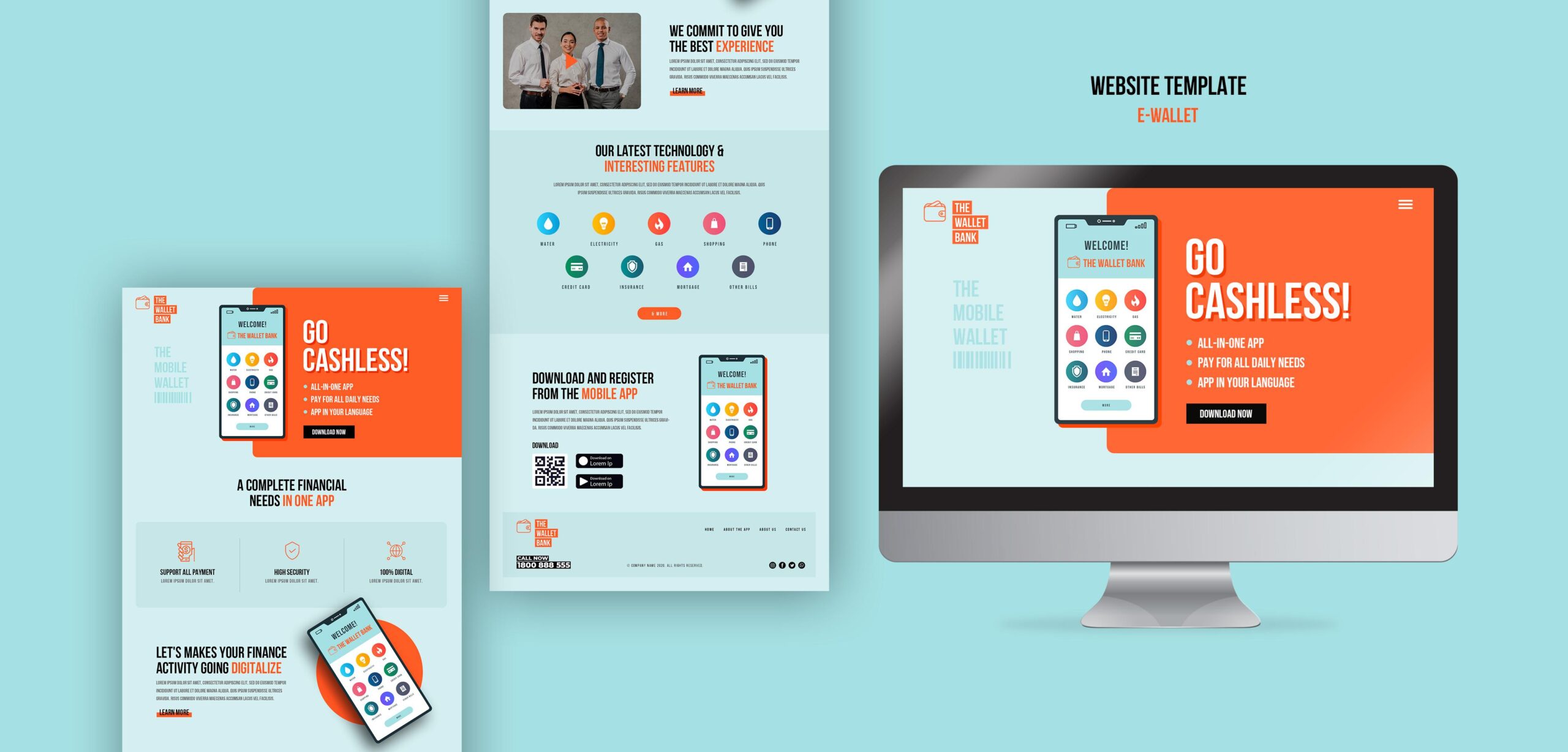
Mobile-first development means designing your website for smaller screens first, then gradually enhancing it for tablets and desktops.
Instead of shrinking a desktop site to fit mobile, developers build the mobile experience as the foundation.
Why Mobile-First Matters More Than Ever
1. 📱 Most Users Are on Mobile
People browse, shop, and search using their phones. A slow or poorly designed mobile site creates frustration — and users leave instantly.
👉 A mobile-first website ensures:
- Faster loading times
- Better readability
- Easy navigation
2. 🔍 Google Prioritizes Mobile-Friendly Websites
Search engines like Google now use mobile-first indexing, meaning they rank your site based on its mobile version.
If your website is not optimized for mobile:
- Your rankings can drop
- Your visibility decreases
- Your competitors move ahead
3. ⚡ Speed Directly Impacts Conversions
Mobile users expect speed. Even a 1-second delay can reduce conversions.
A mobile-first approach focuses on:
- Lightweight design
- Optimized images
- Clean code
This leads to faster websites and better user experience.
4. 💼 Better User Experience = More Sales
A good mobile experience builds trust. When users can easily browse, click, and buy, they are more likely to become customers.
Mobile-first design improves:
- Call-to-action visibility
- Form usability
- Overall engagement
Key Features of a Mobile-First Website
Here’s what a modern mobile-first website should include:
- ✅ Responsive design (works on all screen sizes)
- ✅ Fast loading speed
- ✅ Simple and clean layout
- ✅ Easy navigation (thumb-friendly menus)
- ✅ Optimized images and content
Mobile-First vs Traditional Web Design
| Traditional Approach | Mobile-First Approach |
|---|---|
| Starts with desktop | Starts with mobile |
| Heavy design | Lightweight design |
| Slower performance | Faster performance |
| Poor mobile UX | Excellent mobile UX |
Who Needs Mobile-First Development?
Mobile-first is not just for big companies. It is essential for:
- Small businesses
- E-commerce stores
- Startups
- Service providers
- Blogs and content websites
If your audience uses smartphones — you need it.
How We Help You Stay Ahead
At our software house, we build websites that are:
- Fully responsive
- SEO-friendly
- Fast and secure
- Designed to convert visitors into customers
We don’t just create websites — we create digital experiences that grow your business.
Final Thoughts
The future of web development is clear: mobile-first is no longer optional — it’s essential.
Businesses that adapt will grow. Those that don’t will fall behind.
If you want a website that performs, ranks, and converts — it’s time to go mobile-first.
✅ Ready to upgrade your website?
Let’s build something powerful together.